

Vietnam has long been celebrated as a land of culture, artistry, and enduring craftsmanship. Among the many treasures preserved through time, silk stands out as a symbol both familiar and refined – simple in essence, yet luxurious and deeply sophisticated. This guide to Vietnamese silk is crafted for those who wish to understand, experience, and bring home a piece of this country’s soft, timeless charm.
The journey will take you from ancient history to the modern-day evolution of the craft, into the heart of famous weaving villages, through distinctive silk varieties and their many uses, and finally to the best places where travelers can find authentic silk treasures. The guide to Vietnamese silk concludes with a graceful bridge to the world of modern tailoring, where Tailor Bros transforms this fabric of heritage into contemporary elegance.
HISTORY OF SILK WEAVING – WHEN THE FIRST THREADS EMBROIDERED CULTURE
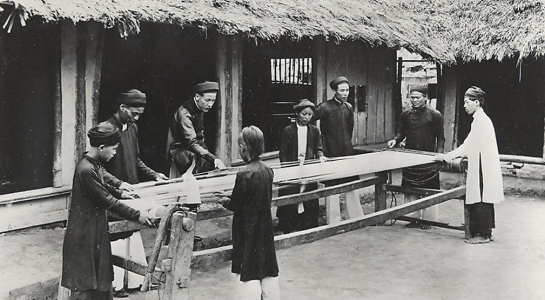
Vietnamese silk weaving traces its origins back thousands of years, intertwined with the rice-growing civilization of the Red River Delta. Early on, when people first learned to raise silkworms, spin cocoons, and weave threads, the earliest sheets of silk were born, delicate treasures once reserved exclusively for nobles and royalty. Silk became more than fabric: it was a bearer of symbolic values such as purity, elegance, and the artistry of human hands.
Through Chinese domination, feudal dynasties, and later the French colonial era, silk weaving never lost its place in Vietnamese culture and economy. Local artisans skillfully blended traditional techniques with outside influences, creating richness in both design and texture. Over time, this fusion has formed a multi-hued guide to Vietnamese silk, deeply rooted in national identity yet open to global exchange.
THE DEVELOPMENT OF SILK – WHEN PAST AND PRESENT ARE WOVEN TOGETHER
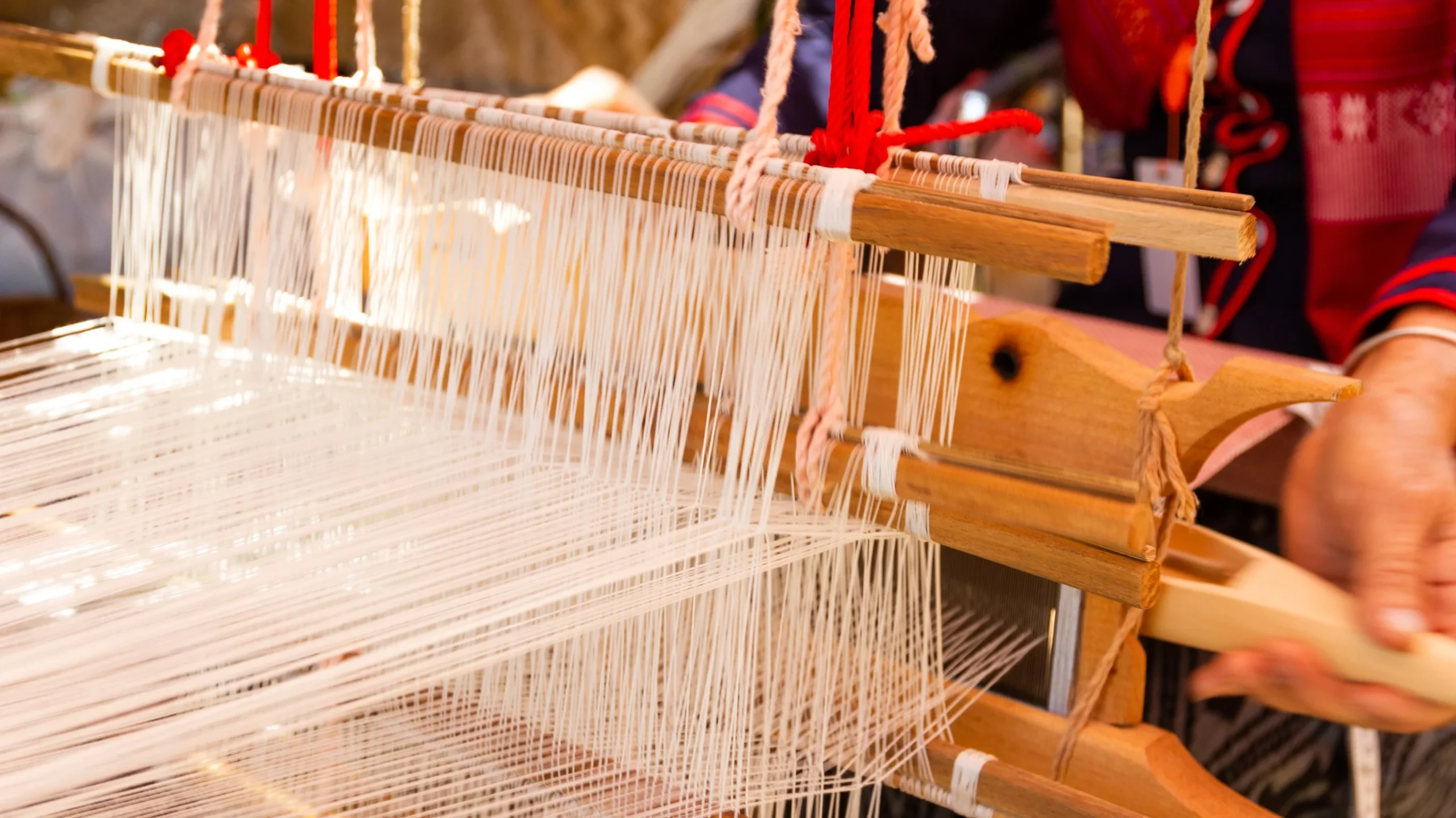
If history is the beginning, development is the journey that carried silk into modern life. Once a luxury reserved for the royal court, silk gradually became part of everyday existence, appearing in traditional costumes, ceremonies, and even household items.
In today’s era of globalization, Vietnamese silk has expanded far beyond its homeland, making its way into the international market and winning admirers worldwide. This growth is also seen in the diversity of design and usage: silk is no longer limited to ao dai or turbans but now graces high-end fashion collections, interior design, and even contemporary art. Thanks to this evolution, the guide to Vietnamese silk is not a nostalgic tale but a living testament to resilience and creativity.
GUIDE TO VIETNAMESE SILK VILLAGES – GUARDIANS OF TRADITION
No guide to Vietnamese silk would be complete without honoring the traditional villages, where silkworm cocoons are transformed into soft, shimmering fabrics by skilled hands.
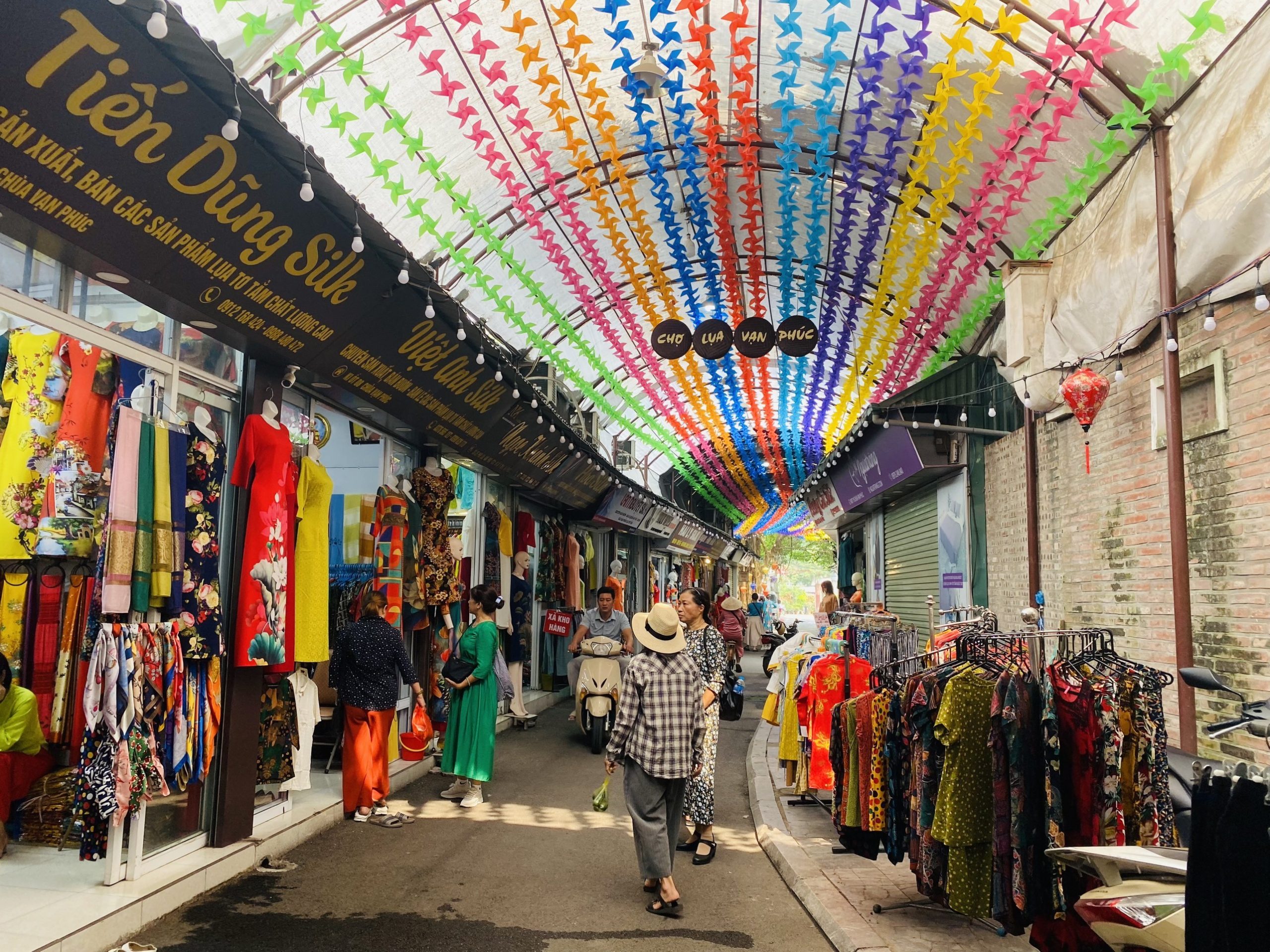
Van Phuc Silk Village (Ha Dong, Hanoi): Known for over a thousand years as Vietnam’s “silk capital,” Van Phuc produces fabrics with intricate patterns, rich colors, and lasting durability – once chosen as royal tributes.
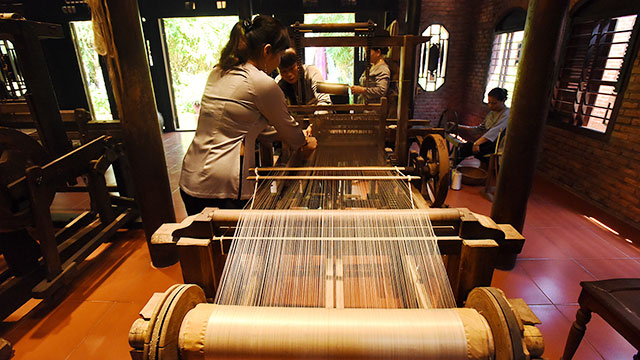
Nha Xa Silk Village (Ha Nam): With a history of more than 600 years, Nha Xa is renowned for its glossy, airy silk, ideally suited for ao dai and ceremonial attire.
Ma Chau Silk Village (Quang Nam): Linked with the maritime Silk Road, this village is famed for its rustic, authentic silk that reflects the spirit of Central Vietnam.
Bao Loc (Lam Dong): Today’s modern “silk hub,” Bao Loc supplies much of Vietnam’s raw silk, fueling both domestic production and export.
These villages are more than destinations; they are living museums where travelers can witness traditions kept alive through generations, and where the essence of the guide to Vietnamese silk truly comes to life.
DISTINCTIVE SILK VARIETIES – THE SOFT ESSENCE IN EVERY STRAND
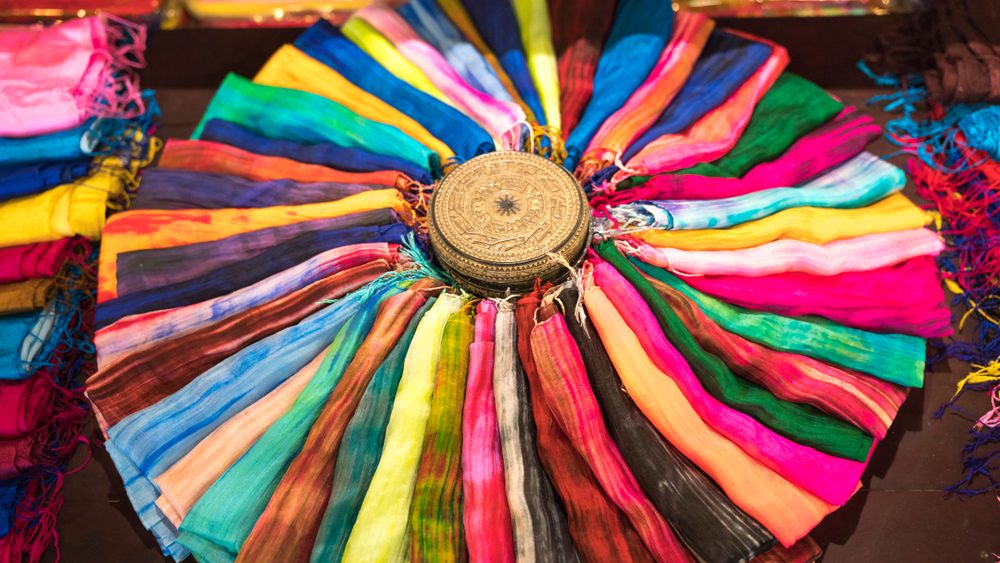
What makes the guide to Vietnamese silk compelling is the remarkable diversity of fabrics:
Traditional silk: Soft, airy, and timeless – the classic choice for ao is dai and everyday clothing.
Brocade silk: Adorned with elaborate woven motifs, this type is often used in festive attire, weddings, and important cultural ceremonies.
Premium Lanh My A Silk (An Giang): A national treasure, this rare silk is dyed with mac nua fruit, producing a mysterious, lustrous black fabric. Luxurious, labor-intensive, and prized by elites at home and abroad, Lanh My A embodies both rarity and prestige.
Blended and modern silk: A reflection of innovation, these fabrics combine tradition with contemporary techniques, meeting the demands of today’s global fashion markets.
Each variety, in its own way, contributes another chapter to the ever-unfolding guide to Vietnamese silk.
APPLICATIONS OF SILK – WHEN TRADITION MEETS MODERN LIFE
Silk is not confined to wardrobes; it weaves its presence throughout daily life. In fashion, it flows into graceful ao dai, elegant gowns, and refined suits. In interiors, it enhances curtains, cushions, and tablecloths, infusing spaces with quiet luxury. In the arts, silk becomes a delicate canvas, bringing to life unique silk paintings celebrated for their ethereal beauty.
This versatility ensures that the guide to Vietnamese silk is not just a cultural record but a living map, guiding travelers through the many ways silk enriches both tradition and modernity.
WHERE TO BUY SILK AND SILK PRODUCTS – ADDRESSES TO TREASURE
For travelers, silk makes a perfect keepsake: elegant, meaningful, and easy to carry. The guide to Vietnamese silk suggests a few trusted destinations:
Van Phuc Silk Market (Hanoi): A vibrant hub offering an extensive range of traditional silk products.
Hoi An Ancient Town: Famous for tailor shops where silk is transformed into bespoke garments, blending tradition with contemporary flair.
Showrooms in Bao Loc (Lam Dong): Known for premium-quality silk scarves, clothing, and accessories.
Reputable silk brands: From long-standing names like Thai Tuan Silk to boutique shops in Hanoi and Saigon, where visitors can find high-quality, stylish silk products.
Buying silk from these places is more than shopping; it is a way to connect with the story behind each piece of fabric and the heritage it carries.
CONNECTING TRADITION AND MODERNITY – WHEN SILK MEETS THE ART OF TAILORING
As we close the guide to Vietnamese silk, it becomes clear that silk is not merely a textile. It is culture spun into threads, a legacy of craftsmanship, and a soft echo of Vietnam’s spirit. Each fabric carries with it not just beauty but also the story of hands and hearts that shaped it.
For those who choose to bring home Vietnamese silk, there is a natural next step: transforming it into something truly personal. This is where Tailor Bros comes in, a celebrated tailoring house in Hanoi, where artisans marry the soul of Vietnamese silk with European tailoring finesse, crafting suits that are elegant, fitted, and distinctly individual.
Just as silk reaches its full brilliance when worn, a suit from Tailor Bros becomes a statement of taste and lifestyle. And so, as one chapter closes, another begins: from traditional silk to modern elegance, from travel keepsake to everyday expression.